Graffiti City: A Bold Font for High-Impact Visuals
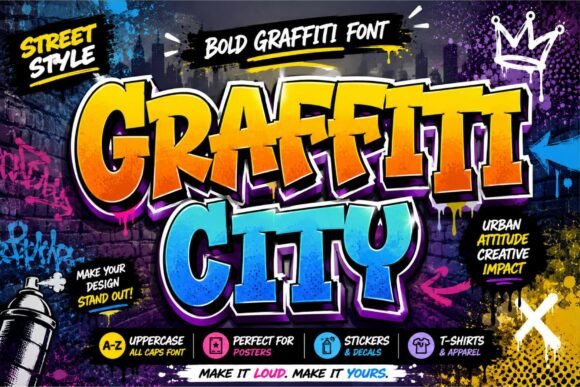
The right typeface can transform a flat design into a dynamic statement. If you are looking to inject energy, confidence, and a distinct urban attitude into your work, Graffiti City is a display font that commands attention. Designed with a chunky street-style aesthetic, it features playful shapes and sharp edges that capture the raw spirit of modern streetwear culture.
The Anatomy of Urban Typography
Understanding the structure of Graffiti City helps in utilizing it effectively. This typeface is defined by its bold weight and expressive curves. Unlike traditional sans serif fonts or rigid serif fonts, this style embraces irregularity and movement. The characters are built to look "hand-drawn" yet polished, offering a balance between raw graffiti art and professional graphic design. This makes it an excellent choice for modern typography projects where legibility must coexist with a rebellious aesthetic.
Creative Applications for High-Energy Projects
Because of its loud and fun personality, Graffiti City fits specific design niches perfectly. It is not a font for body text, but rather for headlines and focal points that need to pop. Consider using this typeface for:
- Apparel and Merchandise: It captures the "cool streetwear feel" ideal for t-shirts, hoodies, and caps.
- Music and Entertainment: Perfect for album covers, concert posters, and festival branding.
- Digital Media: Create eye-catching social media graphics, YouTube thumbnails, or gaming overlays.
- Packaging Design: Use it for product labels that need to stand out on crowded shelves, particularly for youth-oriented brands.
Building a Strong Brand Identity
Typography is a silent ambassador for a brand. Choosing a creative font like Graffiti City communicates that a brand is bold, contemporary, and unafraid to be different. When used in logo design, it can establish an immediate connection with a younger demographic or an audience that values authenticity and edge. However, because it is so expressive, it works best when the brand voice is specifically casual, energetic, or artistic. It helps build a brand identity that feels authentic rather than corporate.
Technical Tips for Designers
When incorporating a display font into your workflow, hierarchy is key. Use Graffiti City for your primary headlines to grab attention, but pair it with a clean, readable font for subheadings and body text. A minimal sans-serif or a simple serif often provides the best contrast, allowing the headline to shine without overwhelming the viewer.
Additionally, consider the medium. This font is designed for impact, so it performs best at larger sizes. Whether you are working on poster design or a web banner, ensure there is enough white space around the letters to let the sharp edges and playful shapes breathe. This maintains readability while preserving the font's artistic integrity.
Understanding Licensing and Usage
Before downloading any premium font, it is crucial to understand the licensing terms. Most commercial fonts require a specific license depending on how they will be used—whether for personal projects, client work, or merchandise sold in high volumes. Always review the license agreement to ensure your usage is covered, protecting both your client and your design work from legal issues.
Investing in a high-quality typeface like Graffiti City is an investment in your design toolkit. It provides the visual impact necessary to cut through the noise in a crowded digital landscape. By choosing a font that aligns with the project's energy, you ensure that your designs not only look professional but also resonate emotionally with the audience.